⚡ Tesla in 2026: The Company Powering America’s Future
In the last decade, the United States has witnessed one of the biggest transformations in modern industry — the rise of electric vehicles. At the center of this revolution is Tesla, Inc., a company that didn’t just join the automotive market but completely reshaped it.

Tesla is no longer just an EV brand. In 2026, it stands at the intersection of technology, artificial intelligence, clean energy, and transportation. From highways in California to suburban neighborhoods in Texas, Tesla vehicles have become a common sight across America.
But what makes Tesla so powerful? And why does it continue to dominate the U.S. market despite growing competition?
Let’s explore.
🇺🇸 Tesla’s Role in the American Economy
Tesla plays a major role in the U.S. economy, both as a manufacturer and an innovator. Headquartered in Austin, Tesla has built massive Gigafactories across the country, including in Nevada, California, and Texas.
These facilities are not just production centers — they are symbols of America’s shift toward advanced manufacturing and clean energy.
Tesla has created tens of thousands of jobs in the U.S., ranging from factory workers to software engineers. More importantly, it has pushed traditional automakers like Ford and General Motors to accelerate their own electric vehicle strategies.
In many ways, Tesla has become a national leader in innovation, similar to how Silicon Valley companies shaped the internet era.
📖 The Story Behind Tesla’s Rise
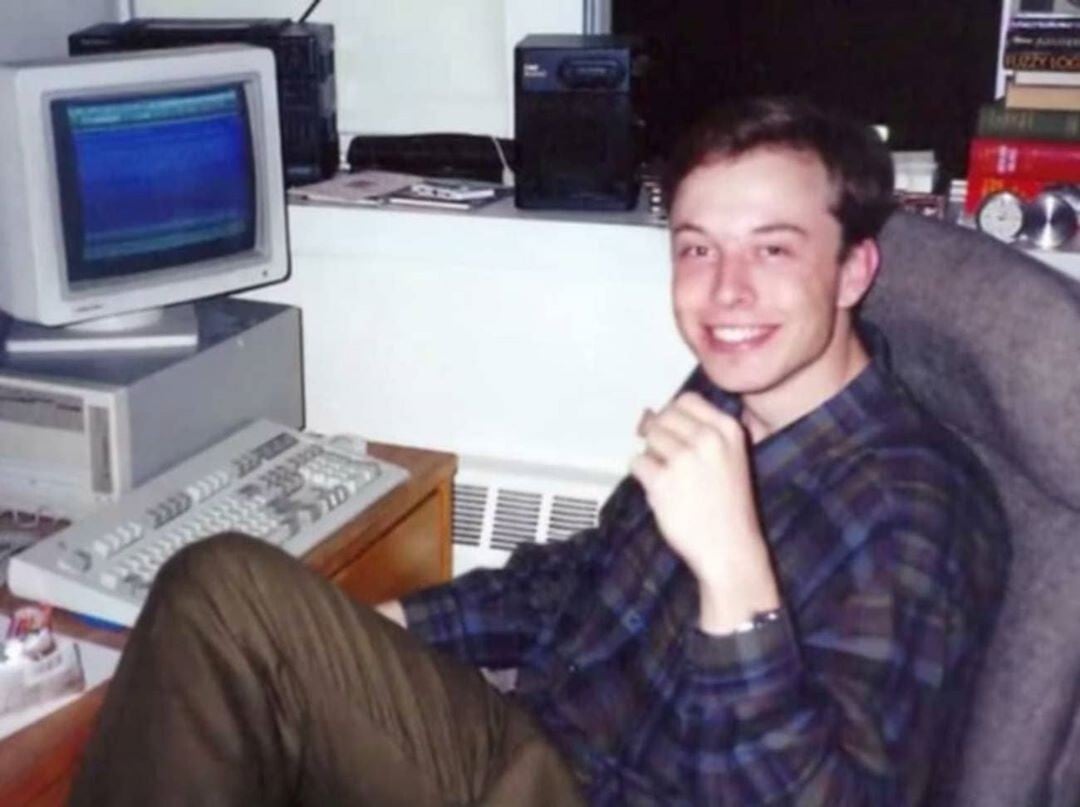
Tesla was founded in 2003, but its real momentum began when Elon Musk took a leading role in the company.
At the time, electric vehicles were seen as slow, unattractive, and impractical. Tesla challenged that perception with the launch of the Roadster in 2008 — a sports car that proved EVs could be fast and exciting.
The company’s breakthrough came with the Model S in 2012, which quickly became one of America’s most loved luxury vehicles. Later, the Model 3 and Model Y brought affordability and scalability, making Tesla accessible to millions of Americans.
By the early 2020s, Tesla had not only established itself as a car company but as a technology-driven ecosystem.
🚗 Tesla Vehicles: Built for American Roads
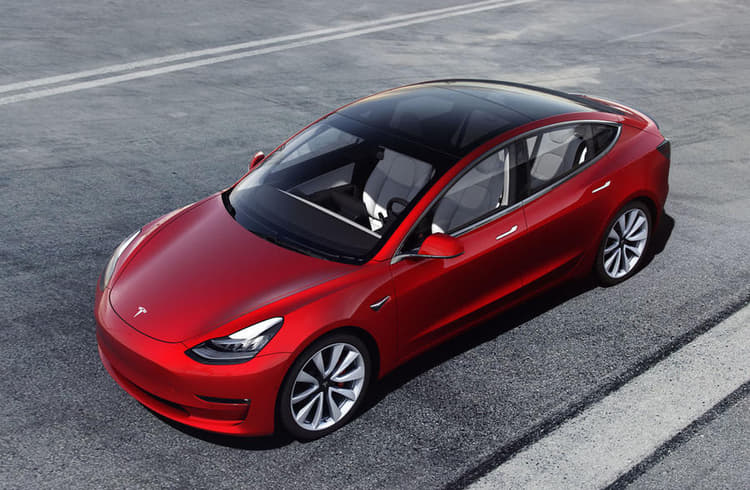
Tesla’s success in the U.S. is largely driven by its product lineup, which fits perfectly with American lifestyles.
The Model Y, for example, has become one of the best-selling EVs in the country due to its practicality and range. The Model 3 offers an affordable entry point, while the Model S continues to attract luxury buyers.
Then there’s the Cybertruck — a bold, futuristic pickup designed specifically with American consumers in mind. Its rugged design and utility appeal to truck owners across states like Texas and Colorado.
Tesla vehicles stand out because they are not just cars — they are software-driven machines.
Owners benefit from:
- Over-the-air updates that improve performance
- Advanced driver-assistance features
- Seamless integration with mobile apps
This combination of hardware and software gives Tesla a unique advantage over traditional automakers.
🔌 The Supercharger Network Advantage
One of Tesla’s biggest strengths in the U.S. market is its Supercharger network.
Unlike many competitors who rely on third-party charging systems, Tesla has built its own infrastructure across the country. This allows Tesla drivers to travel long distances with confidence.
Whether it’s a road trip from Los Angeles to San Francisco or a cross-state drive in Texas, Tesla’s charging network ensures convenience and reliability.
This network has become a key reason why many Americans choose Tesla over other EV brands.
🤖 Tesla Beyond Cars: AI and Robotics
Tesla’s ambitions go far beyond vehicles.
The company is heavily investing in artificial intelligence, particularly in its Full Self-Driving (FSD) system. While fully autonomous driving is still evolving, Tesla’s progress in this field is among the most advanced in the world.
In addition, Tesla is developing the Optimus humanoid robot, which could potentially transform industries like manufacturing, logistics, and even household work.
Under the leadership of Elon Musk, Tesla is positioning itself as an AI-first company, similar to major tech giants.
💰 Business Model and Revenue Streams
Tesla’s business model is another reason for its success.
Unlike traditional automakers, Tesla generates revenue not only from car sales but also from software and energy products.
Key revenue streams include:
- Vehicle sales
- Full Self-Driving (software upgrades)
- Energy storage solutions like Powerwall
- Solar energy products
- Charging services
This diversified model makes Tesla more resilient and scalable than conventional car companies.
📊 Tesla Trends in 2026
In 2026, Tesla continues to lead the U.S. EV market, but it faces increasing competition from companies like Ford, Rivian, and General Motors.
Demand for EVs is still growing, but at a slower pace compared to previous years. Tesla has responded with pricing strategies and product updates to maintain its market share.
At the same time, the company is doubling down on AI, automation, and robotics — areas that could define its future growth.
⚠️ Challenges Tesla Faces
Despite its success, Tesla faces several challenges in the U.S.:
- Rising competition in the EV market
- Regulatory hurdles for autonomous driving
- Pricing pressures due to market competition
- Public scrutiny of leadership decisions
However, Tesla’s ability to innovate quickly gives it a strong advantage in overcoming these challenges.
🔮 The Future of Tesla in America
Looking ahead, Tesla’s impact on the U.S. could be even more significant.
The company is working toward a future where:
- Cars drive themselves
- Energy is fully sustainable
- AI-powered robots assist in daily life
If successful, Tesla could redefine not just transportation but the entire American economic landscape.
Tesla’s journey from a small startup to a global powerhouse is one of the most remarkable business stories in modern America.
For U.S. consumers, Tesla represents more than just a car — it symbolizes innovation, progress, and the future.
As the company continues to expand into AI, robotics, and clean energy, one thing is clear:
👉 Tesla is not just part of the future — it is helping create it.


Comments
Post a Comment